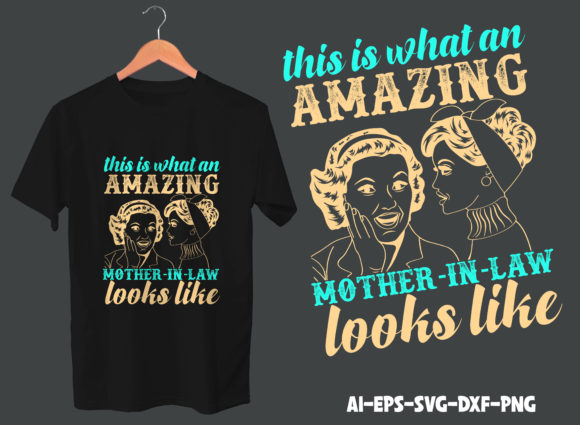
Review: This Is What An Amazing Mother-in-law
As a designer who spends more time than I care to admit staring at stitch density charts and testing thread tension, I approach every new machine embroidery design with a healthy dose of skepticism. The market is flooded with digital assets, but few actually translate well from a screen to the fabric under the needle. Today, I am putting This is What an Amazing Mother-in-law through its paces. This piece falls squarely into the Print Templates and Graphics categories, specifically tailored for apparel and personalized gifts. But does it hold up in real-world application? Let’s dig into the practicalities of using this design for your next embroidery project.
First Impressions and Visual Personality
When you first load This is What an Amazing Mother-in-law into your digitizing software, the immediate takeaway is its bold, declarative nature. It isn’t subtle, nor should it be. The layout relies heavily on strong typography and a clear central message, which creates a mood that is both humorous and affectionate. For designers looking to create custom apparel or personalized gifts, this visual personality is a significant asset. It speaks directly to the recipient, creating an instant emotional connection before the customer even sees the finished quality of the stitching.
The graphic nature of the source file suggests that the design likely prioritizes legibility over intricate floral detailing. This is a smart choice for a design intended for mass appeal or broad gifting occasions like Mother’s Day or family reunions. The visual weight is balanced, meaning it won’t overwhelm the garment it is placed upon, provided you respect the recommended hoop size. It feels designed for impact rather than delicacy, making it a strong candidate for sweatshirt embroidery or durable tote bag design applications where durability and visibility are key.
Real-World Application: From Screen to Stitch
I recently tested this concept on a heavy-weight cotton canvas tote bag intended for a boutique client’s holiday inventory. The goal was to create a handmade product that felt substantial and professional. Because This is What an Amazing Mother-in-law features distinct text blocks, the contrast against the dark fabric was striking. However, the success of the final finished product depended entirely on how the stitch density handled the background fills.
In scenarios involving aprons, kitchen towels, or pillow covers, this design shines. The straightforward aesthetic works well because these items are often subjected to frequent washing and handling. A overly complex applique design might fray or lose definition over time, but a robust typographic design like this one tends to age gracefully. For Etsy sellers and small shop owners, this versatility is crucial. You can offer this as a digital embroidery file for home users while also selling the physical craft business items yourself, maximizing your return on a single asset.
Consider the scenario of preparing a gift for a new mother-in-law. The humor inherent in the title allows for a lighthearted bonding moment. When stitched onto a soft baby blanket or a nursery decor item, the design adds a layer of warmth and personality that generic patterns simply cannot match. It transforms a standard textile into a keepsake. For commercial embroidery shops, this kind of relatable, witty content drives engagement. Customers trust designs that feel authentic and thoughtfully chosen, not just randomly generated clip art.
Technical Considerations and Fabric Constraints
No design is perfect for every surface. While This is What an Amazing Mother-in-law is versatile, there are specific areas where a designer must exercise caution. If you plan to use this on curved surfaces like caps or hats, you need to ensure your digitizer has accounted for the distortion that occurs when flat graphics meet a rounded form. Without proper compensation, the text may appear warped or uneven, detracting from the professionalism of the brand consistency.
Similarly, textured fabrics pose a challenge. On thick fleece or heavily woven materials, small details can get lost. If the design includes any fine running stitch accents or tiny lettering, these elements may become muddy or disappear entirely. In such cases, opting for a larger hoop size and scaling the design up slightly can help maintain clarity. Avoid placing dense fill stitch areas on thin or stretchy fabrics without adequate support, as this can lead to puckering—a common complaint among hobbyists and makers alike.
Another critical factor is color contrast. The effectiveness of this design relies heavily on the relationship between the thread colors and the base fabric. On dark backgrounds, light threads pop beautifully, enhancing the visual appeal. However, if you attempt to use dark threads on dark fabric, you will lose the definition that makes the design readable. Always test your thread colors against your actual production fabric before committing to a large run.
Practical Designer Notes for Success
- Test on Scrap Fabric: Never assume a design will stitch perfectly on the first try. Always run a test on the exact fabric type you intend to use. This helps you adjust tension and identify potential issues with fabric texture.
- Check Stabilizer Usage: The right stabilizer is non-negotiable. For knit garments like t-shirts, a cut-away stabilizer provides the necessary stability to prevent shifting. For woven items like tea towels, a tear-away might suffice, but always prioritize stability to protect the integrity of the embroidery file.
- Review Stitch Density: High density can make a handmade product feel stiff and uncomfortable. Ensure the stitch density is appropriate for the end-use. If the back of the design looks overly dense, consider adding negative space or simplifying the applique design elements.
- Inspect Small Details: Zoom in on your digitizing software. Are there any tiny isolated stitches that might break during trimming? Ensuring clean edges contributes significantly to the buyer engagement and perceived value of the item.
- Black and White Mockups: Convert your design to black and white in your mockup software. This removes the distraction of color and allows you to evaluate the balance, spacing, and overall composition of the design assets.
- Licensing Verification: Before listing this as a small shop product or selling printable mockups, double-check the licensing terms. Confirm whether you have the right to sell finished goods created with this machine embroidery design and whether the graphics included are cleared for commercial use.
Final Verdict
This is What an Amazing Mother-in-law is a solid addition to any designer’s library, particularly those focused on holiday embroidery, wedding gifts, and family-oriented merchandise. Its strength lies in its clear communication and adaptable layout. By paying attention to technical details like stabilizer choice, thread contrast, and hoop size, you can elevate this simple graphic into a high-value embroidered patch or custom apparel item. For Etsy sellers and creative entrepreneurs, it offers a reliable way to produce meaningful, marketable products that resonate with customers. Just remember: the best designs are not just about the image, but about how well they perform when stitched into reality.