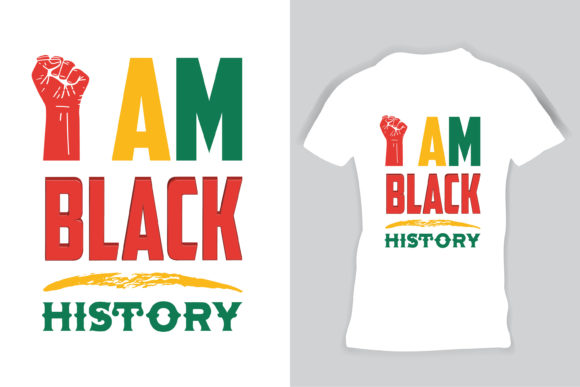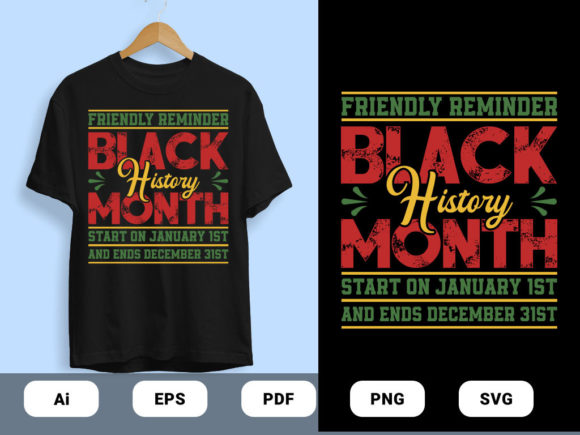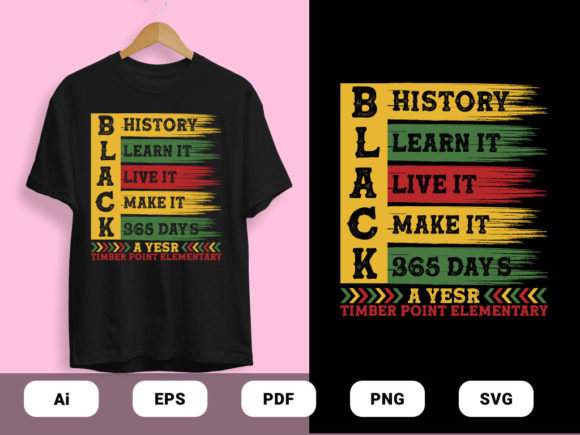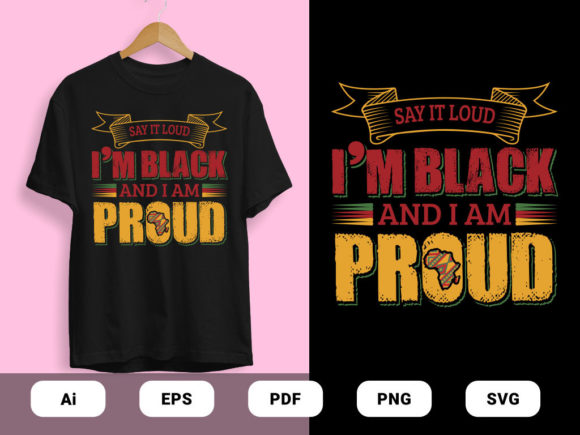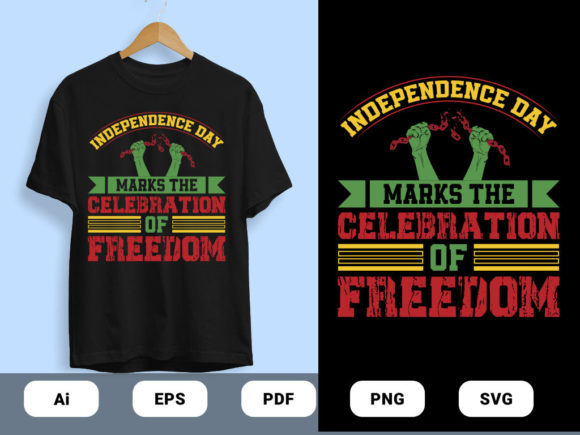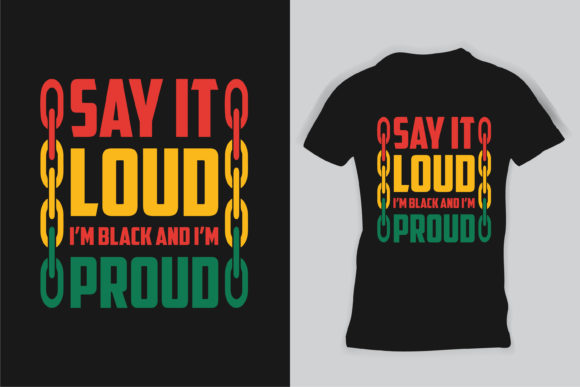
Black History Month, Say It Loud Shirt Graphics and Print Templates
In the world of digital publishing, visual communication is not merely decorative; it is foundational to reader trust and engagement. As a blog designer and digital publisher who has spent years refining editorial layouts and optimizing content for conversion, I approach every graphic design asset with a critical eye. We are looking for more than just aesthetics; we need tools that support our narrative, enhance our brand identity, and perform reliably across diverse platforms. Recently, I evaluated a specific asset titled "Black History Month, Say It Loud Shirt" to determine its viability for real-world content publishing projects. This review explores how this Graphics and Print Templates resource fits into modern editorial workflows.
The First Impression: Editorial Mood and Visual Identity
When you first encounter the "Black History Month, Say It Loud Shirt" design, the immediate takeaway is one of boldness and clarity. The typography-driven nature of the design, featuring quotes like "I'm Black And I'm Proud," creates an editorial mood that is both celebratory and authoritative. For content creators in niches focused on lifestyle, education, social justice, or community building, this asset naturally supports a narrative that is modern, clean, and impactful.
The design avoids unnecessary clutter, allowing the message to take center stage. This simplicity is crucial for web design, where screen real estate is at a premium. A modern design that relies on strong type and clear contrast ensures that the core message is understood instantly. Whether used on a website header, a Pinterest pin, or a newsletter banner, the asset projects a sense of confidence and professionalism. It feels less like a generic clip art and more like a deliberate editorial choice, which helps in establishing a stronger visual hierarchy within your content.
Integrating Design Assets into Real Publishing Workflows
One of the primary challenges for bloggers, affiliate marketers, and small business owners is creating consistent, high-quality visuals without a dedicated design team. This is where versatile design assets become indispensable. I tested the "Black History Month, Say It Loud Shirt" graphic across several common publishing scenarios to see how it held up.
- Blog Featured Images: The graphic’s strong central focus makes it ideal for article headers. When paired with a compelling headline, it draws the eye immediately, increasing the likelihood of clicks from search results or social feeds.
- Pinterest Pins and Social Media Graphics: On platforms like Pinterest, vertical images dominate. The text-heavy yet balanced composition of this shirt design translates well to vertical formats. It serves as an effective Pinterest pin that communicates the topic of the post before the user even reads the overlay text.
- Newsletter Banners and Headers: Email marketing requires a balance of readability and visual appeal. Using this asset as a banner in a monthly roundup or a special edition newsletter adds a touch of personality and thematic relevance, particularly during February.
- Digital Products and Lead Magnets: For those creating downloadable resources, such as eBooks, worksheets, or digital guides, this graphic can serve as a cover image or an internal divider. It elevates the perceived value of a digital product, making it look professionally curated rather than hastily assembled.
The versatility of this asset extends to Canva templates and other drag-and-drop design tools. If you are a content creator who builds your own printable designs or creative design elements, having a pre-made, high-quality base saves hours of work. It allows you to focus on copywriting and strategy while ensuring your visuals meet professional standards.
Enhancing Content Performance and Reader Trust
Visual consistency is a key driver of brand identity. When your blog graphics, social media posts, and email newsletters share a cohesive visual language, readers begin to recognize your content instantly. The "Black History Month, Say It Loud Shirt" contributes to this by offering a distinct aesthetic that can be repeated across various touchpoints.
Furthermore, better click-through potential is often linked to clearer visual hierarchy. A well-designed graphic guides the viewer’s eye to the most important information. In the context of content marketing, this means higher engagement rates. When users see polished, intentional design, they subconsciously associate it with quality content. This improves reader trust and encourages them to spend more time on your site or engage with your affiliate links.
Strategic Placement: Where the Asset Shines
To maximize the impact of this commercial design asset, it is essential to use it in contexts where its strengths are highlighted. The following areas are particularly effective:
- Hero Images: Use the full graphic as a hero image on landing pages dedicated to Black History Month resources or educational content.
- Article Thumbnails: Pair the graphic with concise text overlays for category thumbnails, ensuring they stand out in grid views.
- Editorial Accents: Use smaller crops of the design as bullet points or section dividers within long-form articles to break up text and maintain interest.
- Social Media Previews: Ensure your link previews look sharp by using the graphic as the featured image, which will appear when shared on Facebook, LinkedIn, or Twitter.
By strategically placing these visuals, you create a more immersive reading experience. This is especially valuable for online educators and digital publishers who rely on visual cues to structure their information.
Areas Requiring Careful Consideration
While the asset is robust, there are situations where it may not be the best fit. Publishers should exercise caution when using this graphic in the following scenarios:
- Small Mobile Thumbnails: At very small sizes, fine details in the typography may become illegible. Always test how the graphic looks as a thumbnail on mobile devices.
- Text-Heavy Blog Images: If your image already contains significant text, adding another text-heavy graphic can create visual noise. Keep the composition clean.
- Low-Contrast Backgrounds: Ensure the graphic stands out against your background. Low-contrast combinations can make the design blend in, reducing its effectiveness.
- Serious Professional Niches: While the design is powerful, it may feel too casual for highly corporate or strictly formal content. Assess your audience's expectations before deploying it.
Practical Publisher Notes for Implementation
Before integrating the "Black History Month, Say It Loud Shirt" into your workflow, consider these technical and strategic checks:
- Cross-Device Testing: Preview the asset on desktop, tablet, and mobile screens. Web design must be responsive, and your graphics should adapt gracefully.
- Contrast and Readability: Test the graphic with different font styles. Place it beside serif fonts for a classic editorial look, sans-serif fonts for modernity, or script fonts for a softer touch. Ensure sufficient contrast between the graphic and any overlaid text.
- File Size Optimization: Large images can slow down page load times, negatively impacting SEO and user experience. Compress images properly without sacrificing quality. Check file size for web performance regularly.
- Commercial Licensing: Confirm commercial license terms before using the asset on monetized websites, affiliate pages, or paid content products. Understanding the commercial license protects your business from legal issues and ensures you are using the asset ethically.
In conclusion, the "Black History Month, Say It Loud Shirt" is a versatile and impactful graphic design asset that can significantly enhance the visual quality of your content. By understanding its strengths and limitations, and by integrating it thoughtfully into your brand identity, you can create a more engaging and professional online presence. Whether you are updating your website header, creating new social media graphics, or designing a lead magnet, this asset offers a solid foundation for effective visual storytelling.